


Disclaimer: This article is based on actual news from the real world – honestly! However, it has been sprinkled with a healthy dose of satire.
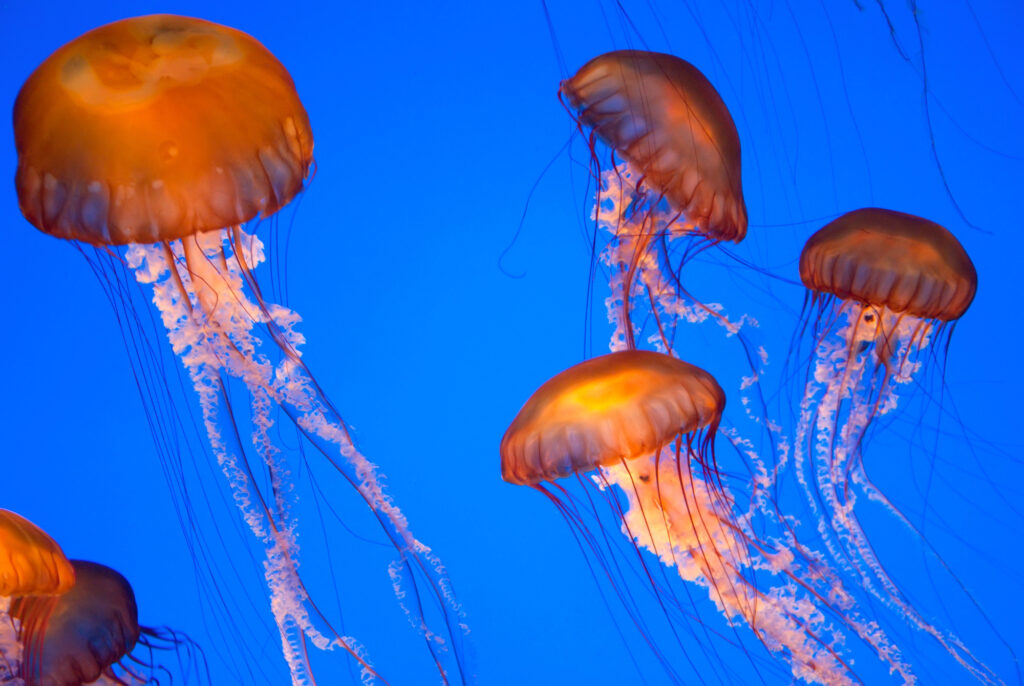
So long, and thanks for all the fish. (Raimond Spekking/depositphotos)
The ongoing war between the natural world and humanity has entered its squishiest battle yet. On Monday, France’s Gravelines nuclear power plant went from humming along nicely to locked up like a French waiter being asked for ketchup thanks to a “massive and unpredictable presence of jellyfish.”
According to EDF, the country’s largest electricity provider and apparently the new villain in some sort of oceanic mob drama, the swarm clogged the plant’s cooling system filters. This forced an automatic shutdown of four nuclear units. The other two units were already offline for maintenance to replace parts jammed by last summer’s angry herring incident.
The French government insists the shutdown was “non-nuclear,” “totally safe,” and “absolutely not the first step in jellyfish-led world domination.” Local residents were reassured they wouldn’t notice the difference between this and a normal maintenance outage, which is easy to say for a country whose idea of hardship is warm rosé.
Experts say jellyfish attacks on power plants are rare, but past incidents in Scotland and Sweden prove this is an ongoing series in nature’s revenge on humanity anthology. Some blame climate change, others suspect the jellyfish heard about Sharknado and got ideas.
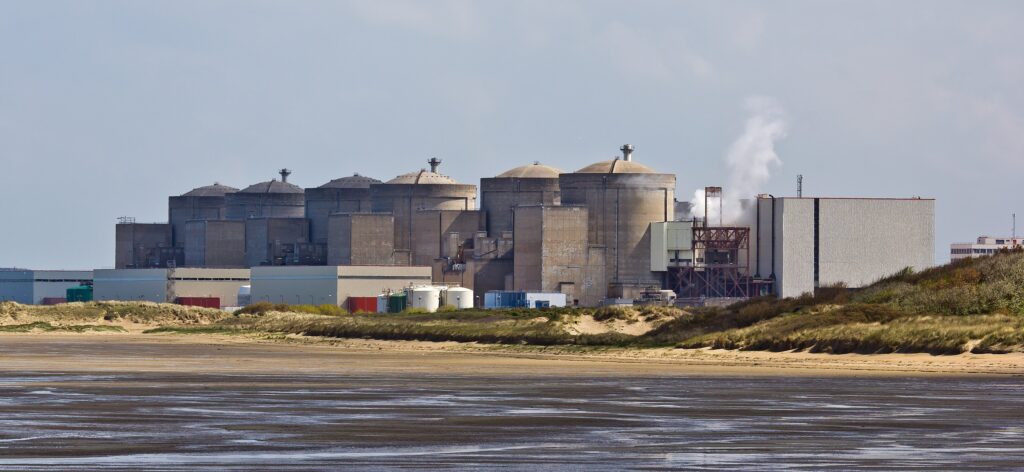
Gravelines nuclear power plant, seconds before it was devoured by nuclear-hungry jellyfish. (Raimond Spekking/Wikimedia)
But the real danger isn’t the shutdown. It’s the precedent. Today it’s jellyfish in France. Tomorrow, starfish are clogging water treatment plants in Japan. By Christmas, lobsters will be running the postal service in Saudi Arabia. Humanity had better adapt quickly or get used to taking orders from something without a backbone.
This story is based on fully factual news, but if we got it wrong, blame these guys, we’re just here to make it funny.




