Disclaimer: This article is based on actual news from the real world – honestly! However, it has been sprinkled with a healthy dose of satire.
The National Park Service reported that 198 people died at its sites in 2025, with men accounting for 83 percent of recorded fatalities, continuing a long national tradition in which men overconfidently engage with nature, transportation, machinery, weather, ladders, grilling propane, and their own lack of general knowledge with broadly similar results.
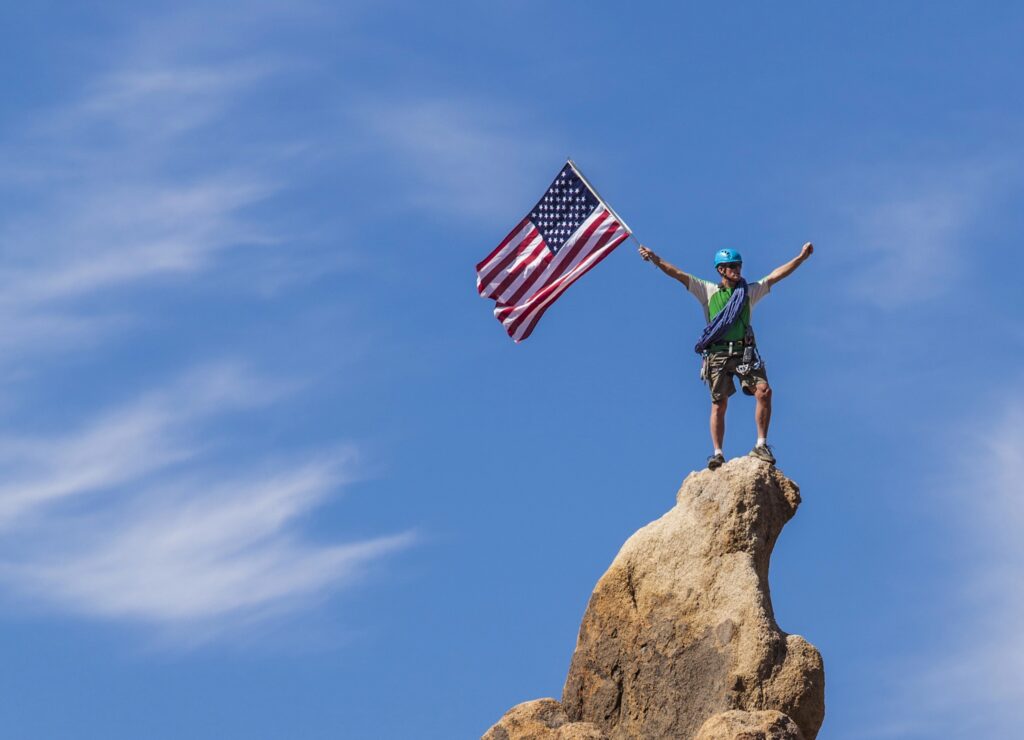
America’s deadliest predator remains a man feeling pretty confident. (gregepperson/depositphotos)
According to the data reviewed by Outside, 114 of the dead were men, 23 were women, and 61 were listed without a recorded sex, a category officials described as “unknown.” Several rangers privately admitted they had “a working theory” that “unknown” was highly over-represented in incidents that begin with “hold my beer and watch this” and end with “charred beyond all recognition.”
Search-and-rescue veteran Dan Whitten said men are more likely to take risks in the backcountry, especially in activities involving solitude, altitude, water, speed, darkness, or laminated maps they refuse to unfold. Whitten said wilderness skills are not automatically issued at birth with cargo shorts, though many men continue to behave as if they were.
Officials stressed that the biggest danger in a national park is usually not a bear, a canyon, or an ancient curse buried beneath a scenic overlook, but the drive there. Nationally, men account for nearly 70 percent of motor vehicle collision fatalities, whether in national parks or not, suggesting the most dangerous animal in the American wilderness remains male humans not watching the road while mansplaining why everyone else is the problem.
Lake Mead and Natchez Trace Scenic Byway each recorded 11 deaths, while Great Smoky Mountains, Blue Ridge Parkway, and Yosemite each recorded nine, proving once again that the easiest places to visit by car are also the easiest places to perish.
The NPS said deaths are down from previous years, a hopeful development attributed to improved safety messaging and possibly fewer men uttering the phrase “it’s not that bad” before entering deep water, steep ravines, heat advisories, or conversations with law enforcement asking them to stop resisting.
Officials are now considering additional warning signs written in the only language proven to slow men down: “Your friend Dave already tried this. He looked stupid, and it turned him gay.” The proposal will be reviewed after a public comment period, assuming the committee can get three dads to stop backing their trailer into a picnic table during the meeting.