


Disclaimer: This article is based on actual news from the real world – honestly! However, it has been sprinkled with a healthy dose of satire.
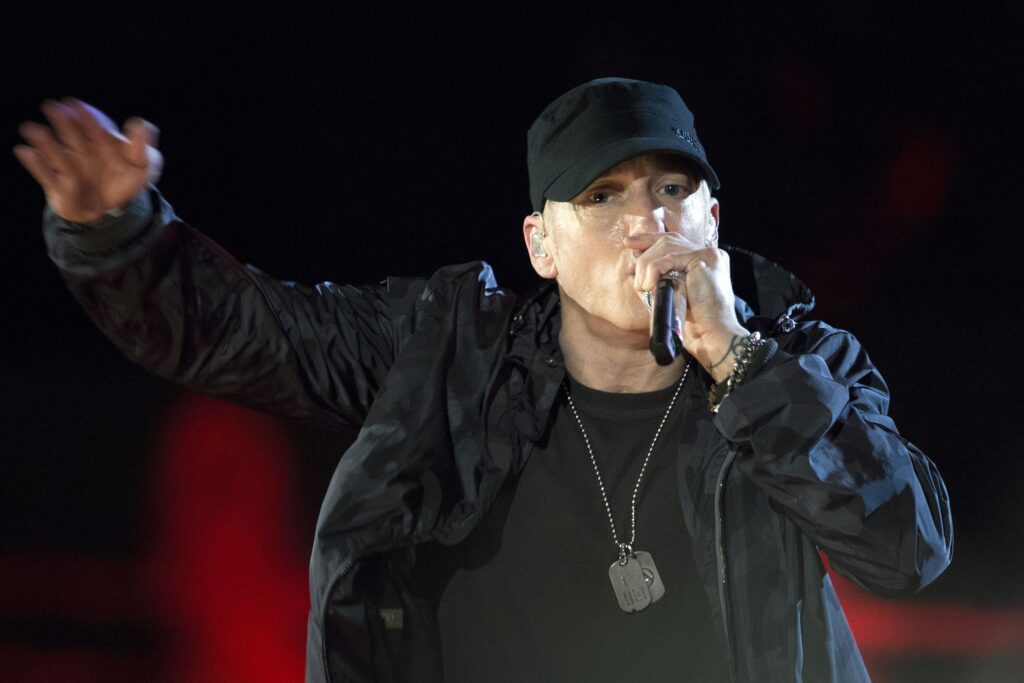
The umbrella man himself… (DoD News Features/wikimedia)
Eminem has filed a federal trademark cancellation petition against an Australian beach umbrella company called Swim Shady, claiming consumers might mistakenly believe he has finally achieved his lifelong dream of selling foldable sun protection to solo beachgoers. The rapper, whose legal name is Marshall Mathers and whose stage name suggests at least a passing familiarity with trademark disputes, argues that the Sydney-based company’s trademark creates confusion about whether he personally endorsed a product designed to shield people from ultraviolet radiation.
His attorneys say the similar-sounding name “uniquely and unmistakably” points to their client, as if the primary association most consumers have with the word “shady” is a Detroit rapper rather than the literal function of an umbrella. The petition, filed with the U.S. Patent and Trademark Office in September, insists that anyone seeing Swim Shady’s products will assume the goods “emanate from” Eminem, a man who has spent twenty-seven years cultivating a brand identity lifted from a well-known type of candy.
“Consumers and potential consumers will be deceived,” the legal filing states, deploying the word “deceived” to describe the possibility that someone might buy a $50 beach umbrella thinking it was designed by a rapper famous for lyrics about violence and prescription drug addiction. The petition does not explain what superior umbrella technology Eminem would have brought to the collaboration, though his lawyers note he has held federal trademark rights to “Slim Shady” since 2001, covering what they describe as “a wide range of goods.”
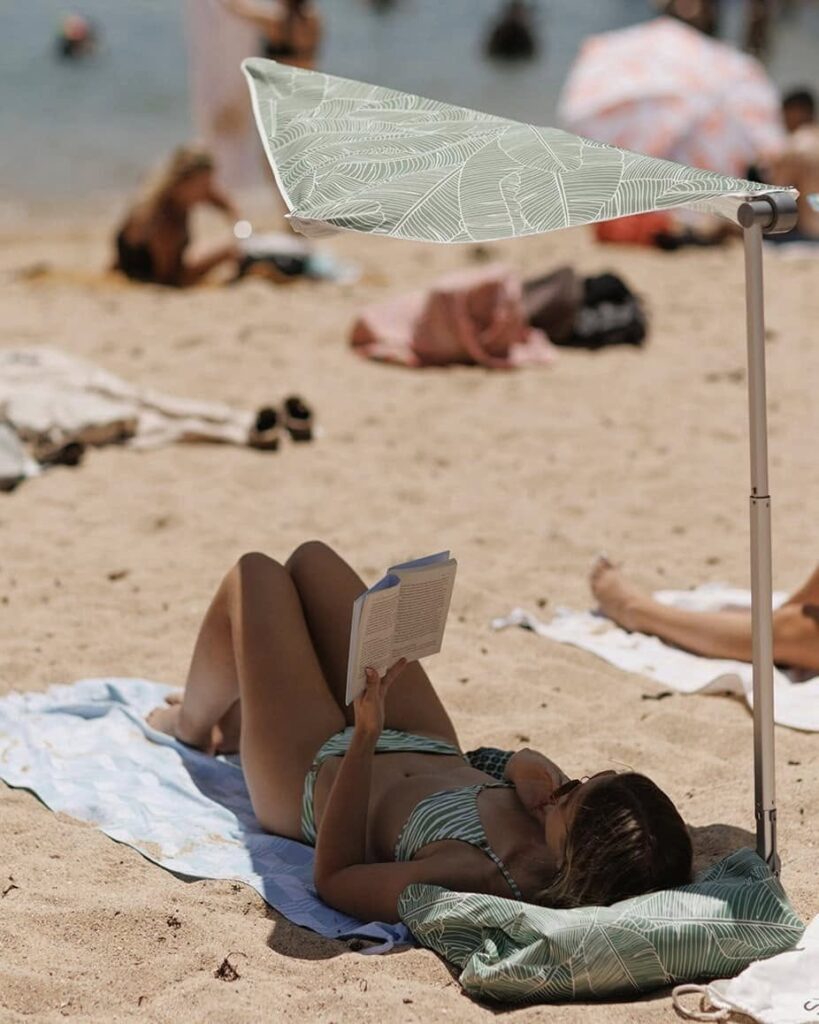
Marshall Mathers providing beachgoers with some much-needed shade time. (Swim Shady/Facebook)
Swim Shady founder Jeremy Scott issued a statement declining to address legal specifics but noting his company “was born out of a desire to produce stylish and effective sun shades” for the Australian market. He did not clarify whether this desire was inspired by Eminem’s 1999 hit “My Name Is,” in which the rapper describes himself as a brain-dead troublemaker, or by Australia’s well-documented hole in the ozone layer. The company’s website indicates it has filed or secured trademark applications in China, the European Union, and the United States, suggesting an aggressive expansion strategy for a business model based on making small folding things.
Eminem debuted the Slim Shady persona in 1997 as an aggressive alter ego exploring darker themes, which makes the current dispute over sun protection particularly poetic. His 1999 album The Slim Shady LP reached No. 2 on the Billboard 200 and included “The Real Slim Shady,” a song asking people to stand up and identify themselves, which is now functioning as legal precedent for why an umbrella company in Sydney should sit back down.
This is not Eminem’s first defensive trademark action. The rapper’s attorneys have filed at least six similar cancellation petitions since 2003, including cases against apparel brands called “Shadzy” and “Shady Character,” as well as a 2023 dispute with Real Housewives stars Gizelle Bryant and Robyn Dixon over their “Reasonably Shady” podcast. The pattern suggests a comprehensive enforcement strategy against anyone attempting to monetize variations of “shady,” a word that existed in the English language approximately 400 years before Marshall Mathers was born.
Legal experts note that trademark cancellation petitions don’t actually prevent companies from using disputed names, they merely block those companies from securing their own federal trademark rights, which would allow them to use the ® symbol and sue third parties. Only a full federal lawsuit can force a company to stop using a brand name entirely, though Eminem’s petition suggests he believes Swim Shady’s use already violates his rights. “Any inferior quality of respondent’s goods will damage the reputation of petitioner’s premium goods and services,” his lawyers write, describing beach umbrellas as a reputational threat to the Slim Shady brand, which was specifically engineered to represent antisocial behavior and avoid any connotation with the word “chocolate”.

Marshall and his friends when he was just a li'l peanut. (Anders Lagerås/wikimedia)
The case joins a growing list of celebrity trademark disputes over phonetically similar brand names. Taylor Swift filed a cancellation petition in 2017 against someone trying to register “Swifty,” while Jay-Z has filed more than ten such actions over the years, establishing that extremely wealthy entertainers are the legal system’s most vigilant defenders of wordplay. Industry observers say such petitions are common because trademark applications are cheap to file and occasionally slip through the approval process, allowing opportunistic businesses to secure rights to names that sound vaguely like famous people or candy.
The U.S. Patent and Trademark Office granted Swim Shady’s American trademark registration in September, covering both beach gear and “a wide assortment of apparel,” which presumably includes items designed to be worn while sitting under umbrellas, thinking about whether they were manufactured by Marshall Mathers. Representatives for both Eminem and Swim Shady did not respond to requests for comment, leaving unresolved the question of whether solo beachgoers in Sydney will continue receiving adequate sun protection during the litigation.
The case is expected to proceed through the Patent Office’s Trademark Trial and Appeal Board, a bureaucratic body that will determine whether an Australian company selling $50 umbrellas represents a meaningful threat to a rapper whose net worth is estimated at $230 million. Legal precedent suggests the outcome will hinge on whether consumers are genuinely confused, though no polling data yet exists on how many people believe Eminem has entered the portable shade industry or the confectionery business.
This story is based on fully factual news, but if we got it wrong, blame these guys, we’re just here to make it funny.




