


Disclaimer: This article is based on actual news from the real world – honestly! However, it has been sprinkled with a healthy dose of satire.
The war in Iran has been good for a number of American industries, but especially the pistachio sector. The wholesale price of in-shell nuts has climbed 20% to $4.57 a pound since the start of the thing the Trump administration refuses to call “a war.” Growers in California’s Central Valley are experiencing what economists would call “a once-in-a-generation beneficially positive market correction” and what everyone else would call “bombing your competitor into dust.”
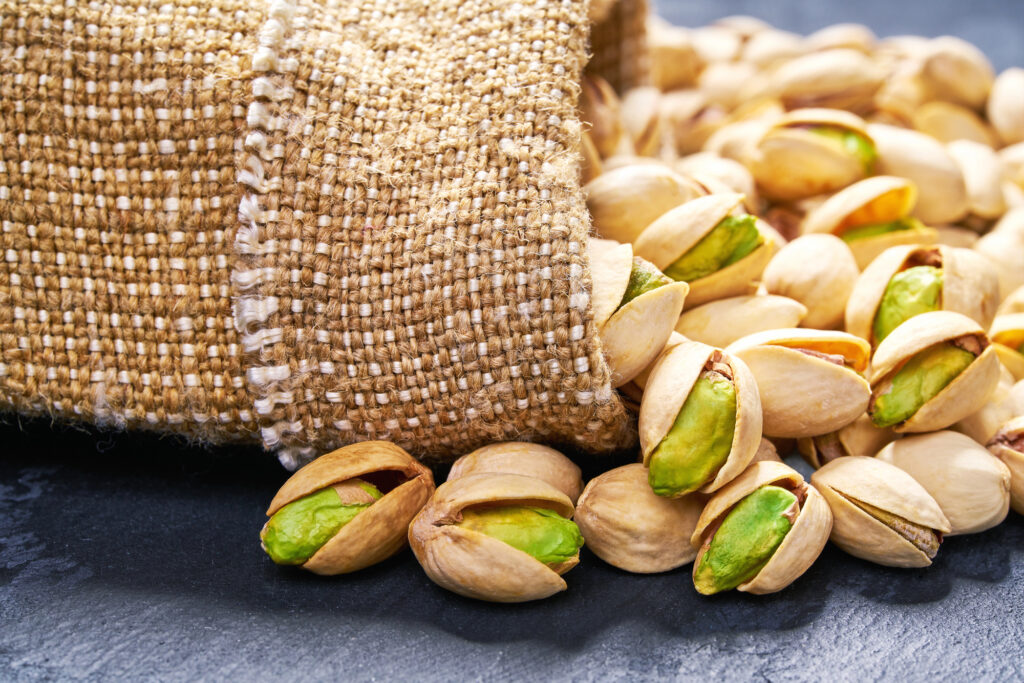
Probably Californian pistachios, as they haven't been blown up. (itor115.gmail.com/depositphotos)
The United States now controls 65% of the world’s pistachio supply, a figure that has risen in inverse proportion to the number of functioning pistachio processing facilities in Iran’s Kerman province. American fighter jets struck warehouses near Rafsanjan Airport in the first week of March. Rafsanjan has been to pistachios what Bordeaux is to wine, except the US hasn’t (yet) conducted bombing runs over Bordeaux to improve Napa’s export margins, although this does appear as a footnote in Project 2026: Other Stuff We Might Get Around To Ruining. The strike was part of a broader campaign targeting Iranian infrastructure, though defense officials stressed that the pistachio warehouses were “dual-use,” a classification that in this case appears to mean “they stored both pistachios and more pistachios.”
The American pistachio industry’s rise is a story of grit, determination, and a 241% tariff imposed in 1986 after the Commerce Department concluded Iran was dumping pistachios below production cost. Every five-year review of the tariff since 1986 has concluded that removing it would be bad for the industry that lobbied for it. A new review was initiated this January, though given the current geopolitical climate, the outcome is about as uncertain as a Harlem Globetrotters game. Additionally, Iran sanctions have been continuous since 1979, and now we’re bombing the hell out of them. Together, these economic factors represent what trade textbooks might call “forty years of kneecapping a rival and then acting surprised you’re somehow winning.”
California is projected to produce over two billion pounds of pistachios by 2031, assuming the state can locate enough water to grow them, which, given current drought conditions, means either more desalination capacity or more blood sacrifice to the rain gods. Probably more of the latter.
The American Pistachio Growers Association has not commented on the strikes directly, though its website was recently updated with the phrase “record demand” and several exclamation points.
This story is based on fully factual news, but if we got it wrong, blame these guys, we’re just here to make it funny.




