


Disclaimer: This article is based on actual news from the real world – honestly! However, it has been sprinkled with a healthy dose of satire.
It’s summer in Texas, and the smell of BBQ smoke is mingling with the faint sound of municipal sirens screaming, “STOP USING THE HOSE, CARL!”
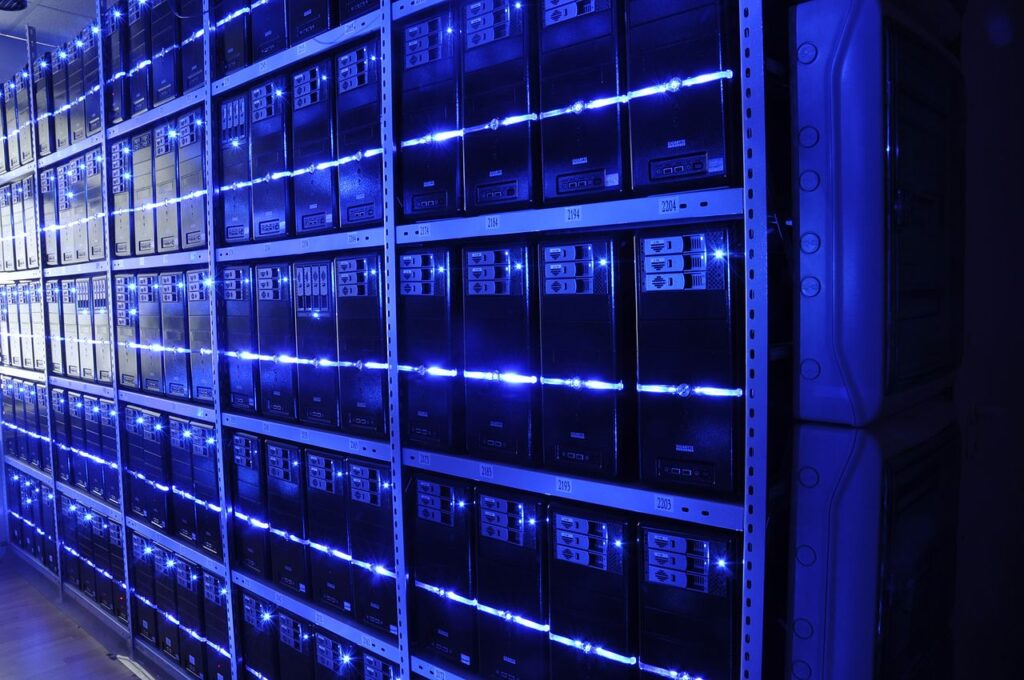
So much lovely blue data… who needs water? (BalticServers.com/Wikimedia)
Enter Microsoft, stage left, pouring water into data centers faster than a frat party at a slip-n-slide convention. Their new Stargate campus in Abilene is named like a sci-fi portal but functions more like a 24/7 supercomputing sweat lodge. It’s part of a statewide push to develop cutting-edge AI by slowly dehydrating every living creature west of the I-35 corridor.
In San Antonio, Microsoft and the U.S. Army Corps used 463 million gallons of water in just two years. That’s enough to fill every Buc-ee’s toilet simultaneously, twice, and still have enough left over to drown out the shame of using Internet Explorer in public. It’s enough water to run a Slip ‘N Slide from El Paso to Houston and still have enough left over to hose down the Texas legislature after another crypto bill passes.
Residents have been told to shorten their showers, stop watering lawns, and “reconsider crying.” Meanwhile, the AI is sucking down water like a roided-out SpongeBob on a bender after the Krusty Krab turned into a crypto mining hub.
“This is a water-stressed region,” said a local water expert, adjusting their goggles while standing ankle-deep in mud that used to be a reservoir. “Want to know how bad things have gotten? I’m pretty sure I saw a trout with a canteen this morning. It gave me the finger and said it was moving to Oregon. Honestly, if Microsoft wants to keep doing this, we’re gonna have to start milking cacti and hope AI figures out how to desalinate a puddle of LaCroix without becoming sentient and judging us for drinking it. The puddle, I mean, not the AI.”
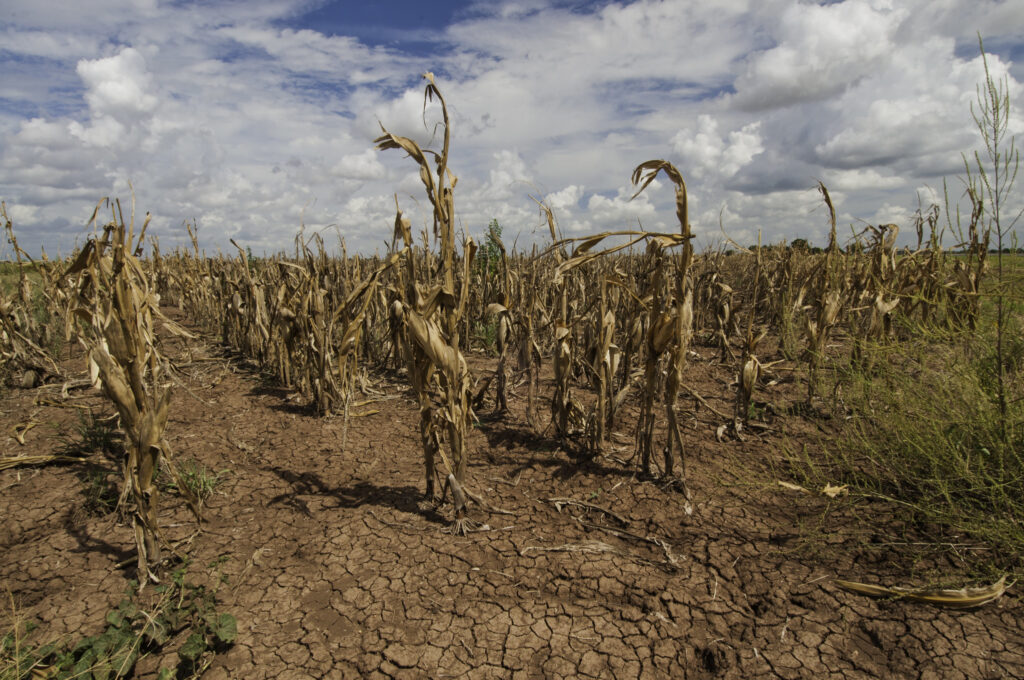
Dried-out crops and dust are quite underrated. (USDAgov/Flickr)
Texas, ever the land of freedom and unregulated infrastructure, conveniently passed laws that make it easier to build a data center than to open a new Buc-ee’s, and those things come with their own zip code and a nervous raccoon population. Cities often find out about new facilities after they’ve been built, operating under secret names like “Project Moist Glacier”, “The Not-A-Server-Farm Farm”, or “Bob’s Discount Vape Barn LLC” (which still gets fewer complaints).
Microsoft promises it will be “water positive” by 2030, which apparently means it’ll offset its usage by refilling lakes thousands of miles away in Northern Saskatchewan. Critics say that’s like setting your neighbor’s house on fire, then mailing them a scented candle and calling it even.
Residents remain unconvinced.
“I haven’t seen water in six months,” said Jim Baxter of Marble Falls, staring wistfully at the dust outline where his hot tub used to be. “But at least I can ask ChatGPT if my cactus looks thirsty.”
By 2030, Texas data centers are projected to use 399 billion gallons annually. That’s roughly the same amount needed to resurrect SeaWorld San Antonio as an inland Atlantis where orcas teach coding and dolphins monitor your browser history.
In conclusion, the choice is clear: Texas can either support next-gen artificial intelligence or continue letting humans drink water, which seems like a bold ask in this economy. But it can’t do both. So please be patient while Skynet finishes its bath.
This story is based on fully factual news, but if we got it wrong, blame these guys, we’re just here to make it funny.




